


Garden
EmGuard™ Plant Protectors
EmGuard™ Plant Protectors

Couldn't load pickup availability
EmGuard™ are the original environmentally friendly, bio-degradable, cardboard plant guards developed by our partners, FuturEcology, as a solution to plastic debris entering waterways.
Plant guards have been shown to greatly improve the chances of survival and promote growth in plants.
Download Emguard™ folding instructions here.
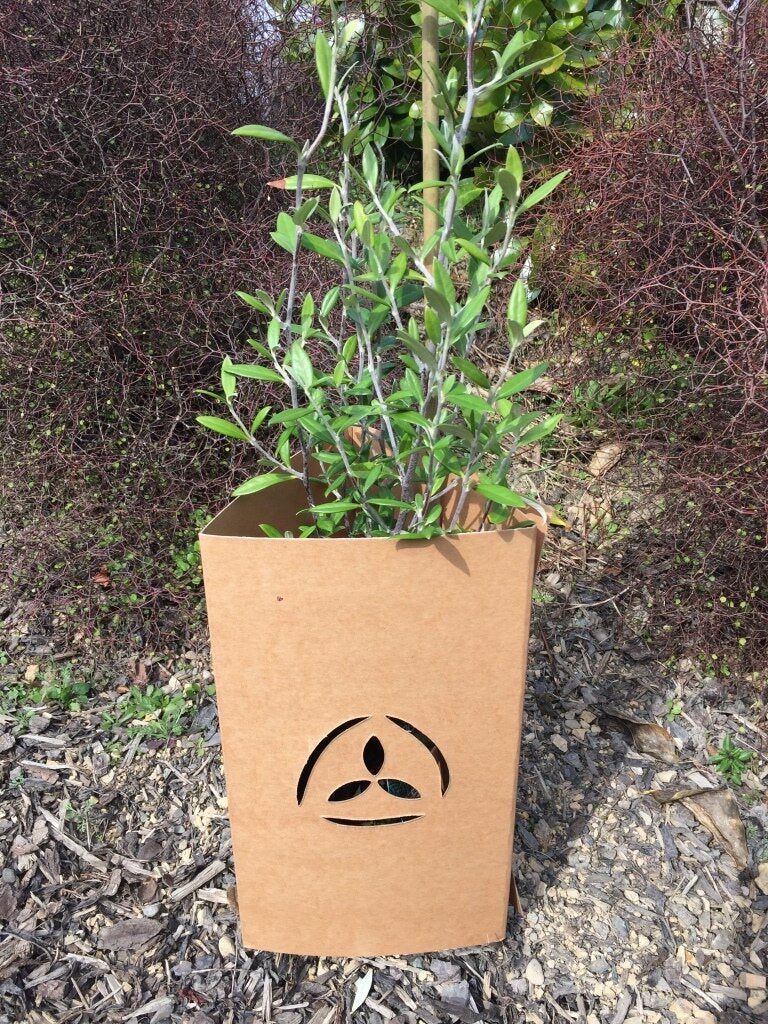
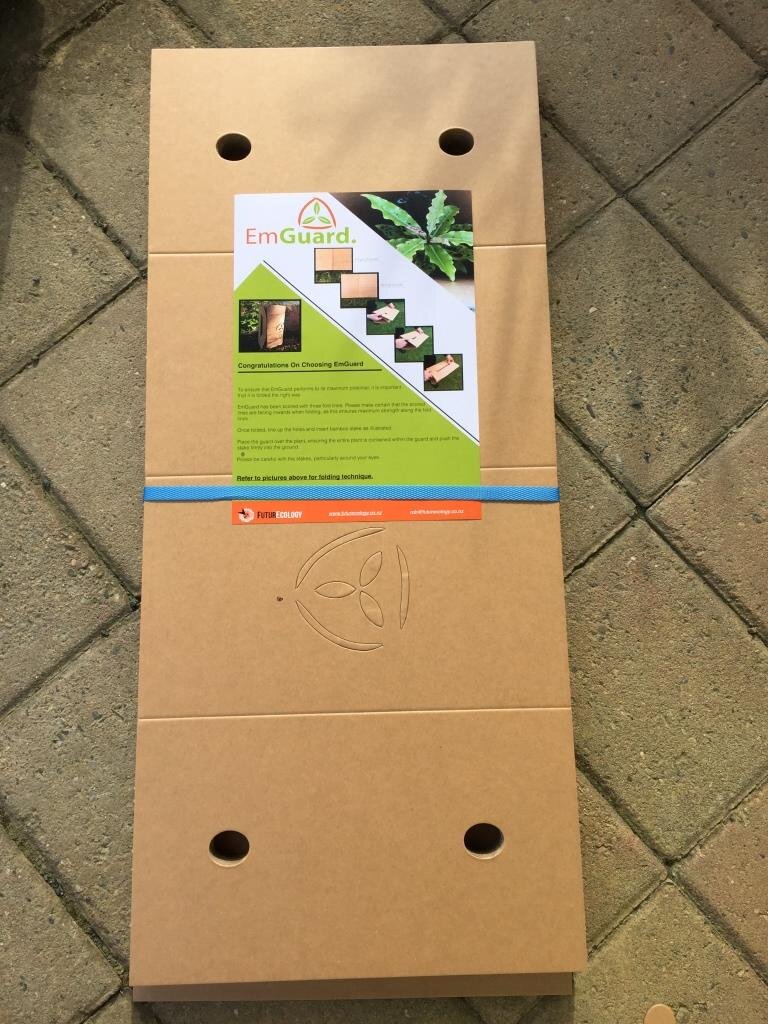
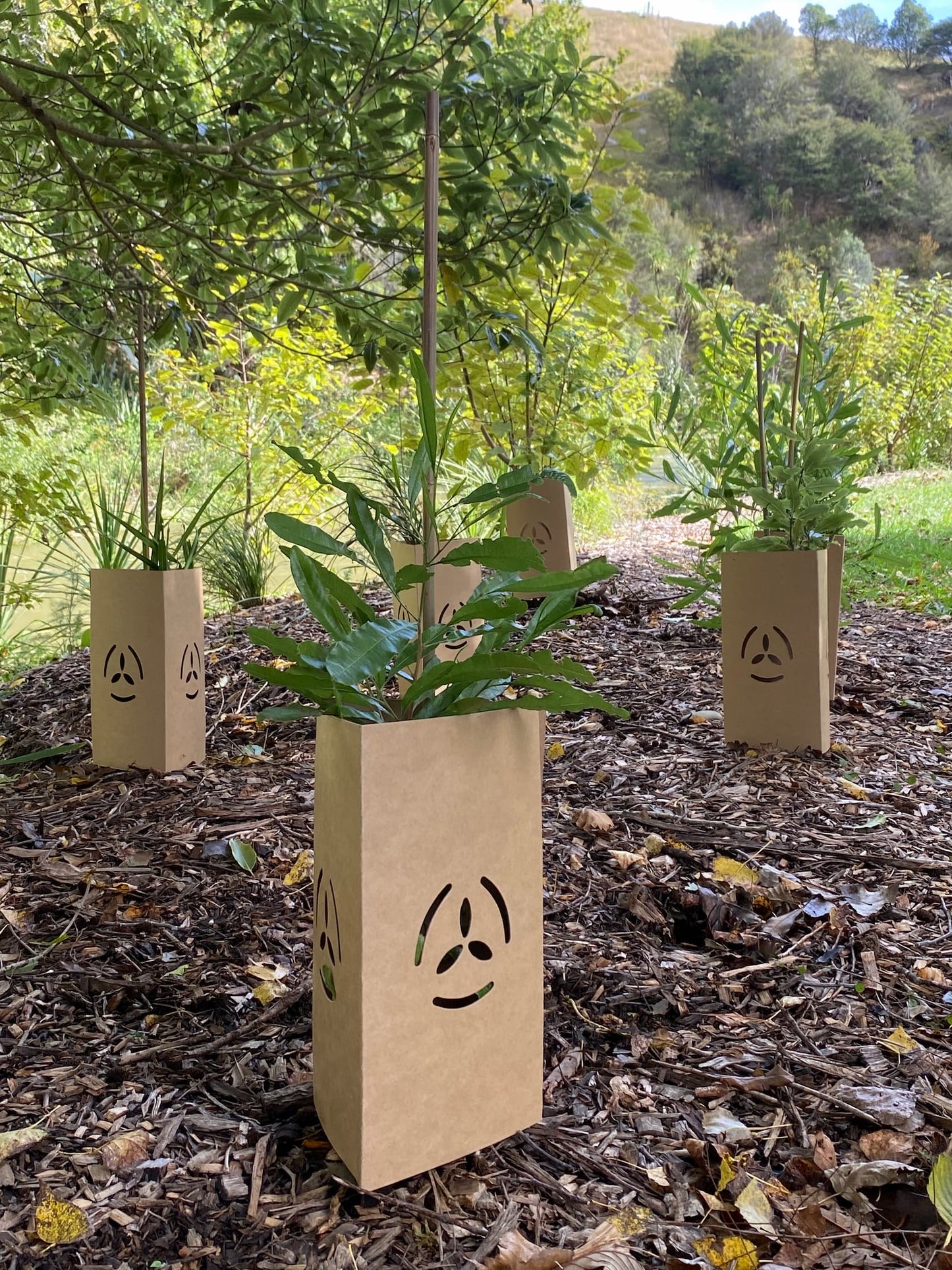


Protects Young Plants
EmGuard™ Plant Protectors help shield establishing plants from predators such as hares and pūkeko, while also making plants easier to identify in newly planted areas. They are especially useful during the important first year of establishment.

Quick & Easy to Install
Each protector folds into a strong triangular shape and requires just one stake for installation. This makes them fast and efficient to use, even on difficult terrain, while the secure folding design helps prevent them from blowing away.

Saves Time After Planting
EmGuard™ Plant Protectors help save time after planting by making young plants easier to identify and reducing ongoing maintenance. Once plants are established, there’s no need to collect the guards — they naturally break down in place, reducing follow-up labour and disposal.

Biodegradable & Made in New Zealand
Designed and manufactured in New Zealand using predominantly recycled pulp, EmGuard™ Plant Protectors are recyclable and biodegradable. They are made to withstand tough Kiwi conditions and naturally break down over time, so there is no need to remove them after use.


Frequently Asked Questions
About the Product & Its Benefits
What is an EmGuard™ plant protector?
EmGuard™ is a NZ-made biodegradable plant guard made from majority recycled pulp cardboard that protects young plants from wind, frost, and pests while promoting strong growth.
How are EmGuard™ plant guards different from plastic ones?
Unlike plastic sleeves, EmGuard™ guards are recyclable, breathable, and naturally decompose, no removal or landfill waste required.
Are EmGuard™ plant guards biodegradable?
Yes. EmGuard™ guards naturally break down after plant establishment, leaving no microplastics or residue in the environment.
How long do EmGuard™ plant guards last?
In normal NZ riparian conditions, EmGuard™ guards last over a year before softening and decomposing.
Do EmGuard™ plant guards protect plants from hares and pukeko?
Yes. Their triangular shape and sturdy cardboard walls protect seedlings from browsing animals like hares, rabbits, and pukeko.
Are EmGuard™ plant guards safe for waterways?
Yes. If a guard is washed into a stream, it will naturally biodegrade without harming aquatic life.
Practical Application & Performance
How do you install an EmGuard™ plant guard?
Fold along the creases to form a triangle, then secure with one 900 mm stake through the pre-cut slots. The design grips tightly and won’t blow away.
Do EmGuard™ guards protect plants from frost and wind?
Yes. The triangular design shelters plants from wind, cold, and exposure, helping seedlings establish faster.
Can you use EmGuard™ plant guards for native trees?
Absolutely. They’re ideal for native and riparian planting, protecting seedlings through their first growing season.
Do EmGuard™ guards reduce weeding and maintenance?
Yes. By shading the soil, they limit weed competition and reduce the need for chemical or manual weeding.
Do EmGuard™ guards need to be removed?
No. They naturally break down in the field, saving time and disposal costs.
How do EmGuard™ guards help with plant growth?
EmGuard guards create a stable microclimate that retains warmth and moisture, improving plant survival and early growth rates.
Environmental & Sustainability
What are EmGuard™ plant guards made of?
They’re made from majority recycled pulp cardboard with a food-safe, FDA-compliant moisture barrier for strength and durability.
Why is cardboard better than plastic for plant guards?
Cardboard guards biodegrade, enrich soil, and eliminate plastic waste, while plastic guards need collection and disposal.
Do EmGuard™ guards have any plastic in them?
No. They’re made entirely from cardboard and a safe biodegradable coating, no hidden plastics.
Will EmGuard™ guards break down into microplastics?
No. They decompose naturally into organic matter without leaving plastic particles behind.
Is the manufacturing of EmGuard™ environmentally friendly?
Yes. They’re produced in New Zealand using recycled materials and low-impact processes.
Are EmGuard™ plant guards made in New Zealand?
Yes. EmGuard™ is proudly NZ-made, designed to suit local conditions and planting projects.
Comparison & Value
Are EmGuard™ plant guards worth the cost?
Yes. They save labour, don’t need removal, and reduce maintenance offering better long-term value than disposable plastic guards.
EmGuard™ vs. other biodegradable plant guards: which is better?
EmGuard™ stands out for strength, quick installation with one stake, and proven NZ field performance.
Can EmGuard™ guards be used with mulch mats?
Yes. They pair perfectly with Wool.Life wool mulch mats for maximum weed suppression and moisture retention.
Where can I buy EmGuard™ plant guards in NZ?
General Questions About Plant Protectors
What are plant protectors for?
Plant protectors shield young plants from wind, frost, animals, and herbicide drift during early establishment.
Why use a plant protector in NZ?
New Zealand’s variable climate and browsing wildlife make plant guards essential for native restoration success.
What’s the difference between a plant protector and a tree guard?
Tree guards are taller and used for woody plants; protectors like EmGuard™ suit seedlings and shrubs.
Do plant protectors really work?
Yes. Field trials show significantly higher survival and growth rates when guards are used.
How do plant protectors help plants grow faster?
Plant protectors trap warmth, retain moisture, and protect against stress, allowing consistent, healthy growth.
Protection from Animals & Pests
What can I use to protect plants from rabbits and hares in NZ?
Use sturdy cardboard guards like EmGuard™, which block access and withstand chewing.
How do you protect young plants from pukeko?
Emguards rigid sides and triangular design prevent birds from pulling out seedlings.
What can I use to stop birds from eating my seedlings?
Cardboard guards and light mesh covers deter birds while allowing airflow and sunlight.
Do plant protectors keep slugs and snails away?
Plant protectors help reduce slug and snail activity by limiting access and keeping the soil drier near stems.
What height do plant guards need to be to protect against hares?
Guards should be around 350 mm high exactly the height of EmGuard™ for effective protection.
Protection from Weather & Environment
How to protect plants from frost in NZ?
Use guards like EmGuard™ that trap ground heat and reduce frost settling around stems.
What’s the best way to protect seedlings from wind?
Install a triangular cardboard guard to deflect wind and prevent root rock.
Do plant protectors prevent sun scorching?
Yes. They provide shade and reduce reflection from surrounding soil.
How do you create a microclimate for plants in NZ?
Combining plant guards with wool mulch mats locks in moisture and stabilises soil temperature.
Do plant protectors help with water retention?
Yes. Guards reduce evaporation, especially when paired with biodegradable mulch.
Are biodegradable plant protectors better?
Yes. They save time, reduce waste, and break down safely ideal for eco-restoration.
What are plant protectors made of?
Cardboard, wool, or natural fibres each chosen for biodegradability and plant safety.
Wool vs. plastic plant protectors: which is more eco-friendly?
Wool and cardboard guards are far better; they return nutrients to the soil instead of creating plastic waste.
Do plastic plant protectors break down and harm the environment?
Yes. Plastic guards degrade into microplastics that pollute soil and waterways.
Are cardboard plant guards effective?
Yes. Modern cardboard guards like EmGuard™ are moisture-resistant, durable, and proven in NZ conditions.
Installation & Sourcing
How do you install a plant protector?
Form the guard, insert a single stake, and press into the ground quick, stable, and efficient.
Where can I buy plant protectors in NZ?
Wool.Life supply them online with nationwide delivery.
Can you make your own plant protectors?
Yes, but purpose-made EmGuard™ guards are stronger, faster to install, and field-tested.
How long should you leave a plant protector on?
Keep it in place for the first 12–18 months or until the plant is well established.
Do I need a stake with my plant protector?
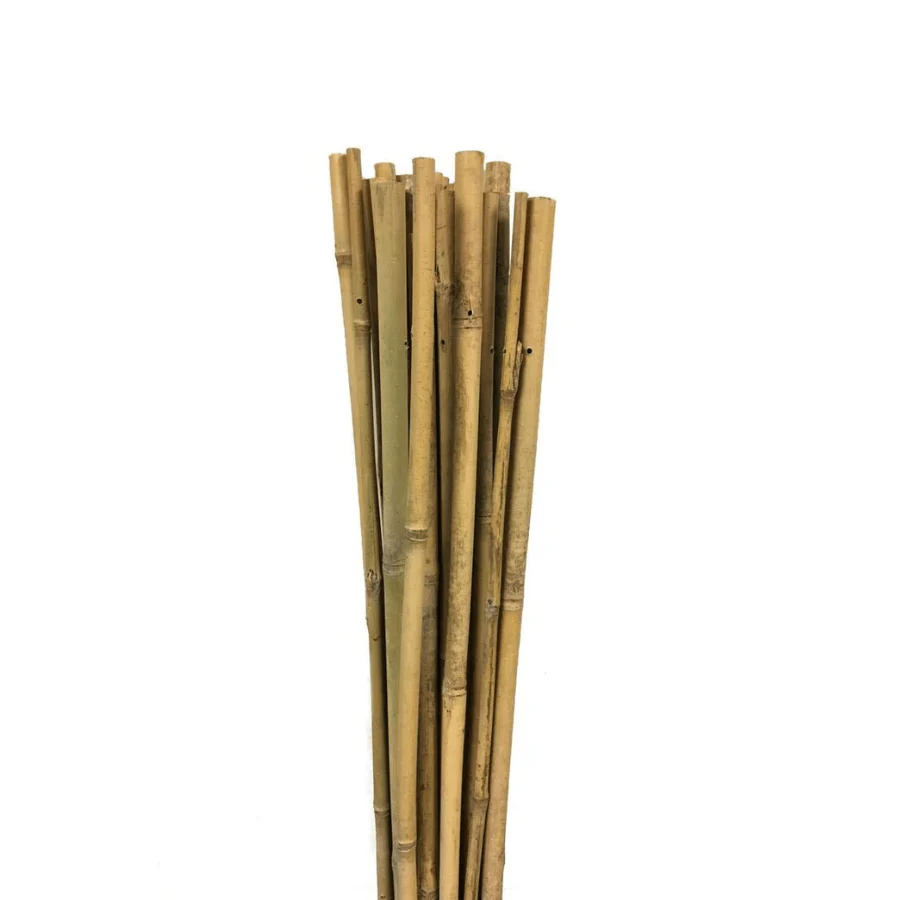
Yes. One 900 mm × 10–12 mm bamboo stake securely holds each EmGuard™ in place.